This is the last of the longer pieces I promised in the opening post of this series.
Give a group of your photographs to a room of people and watch what they do with them. I have done this a few times now - a wall, a sequence in a zine, a handful of prints passed around a table - and the same things happen every time, reliably enough that I have started to treat them as laws.
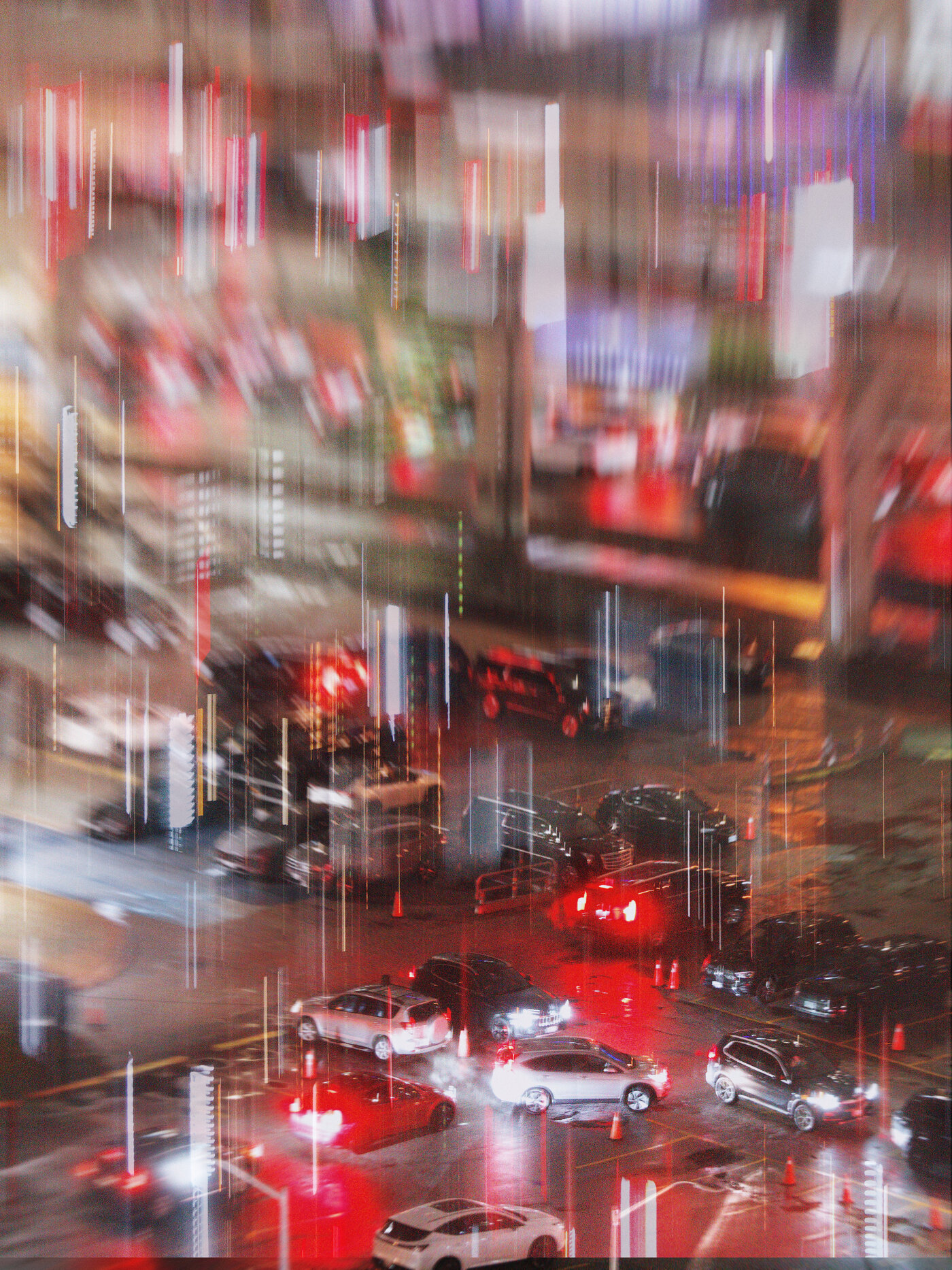
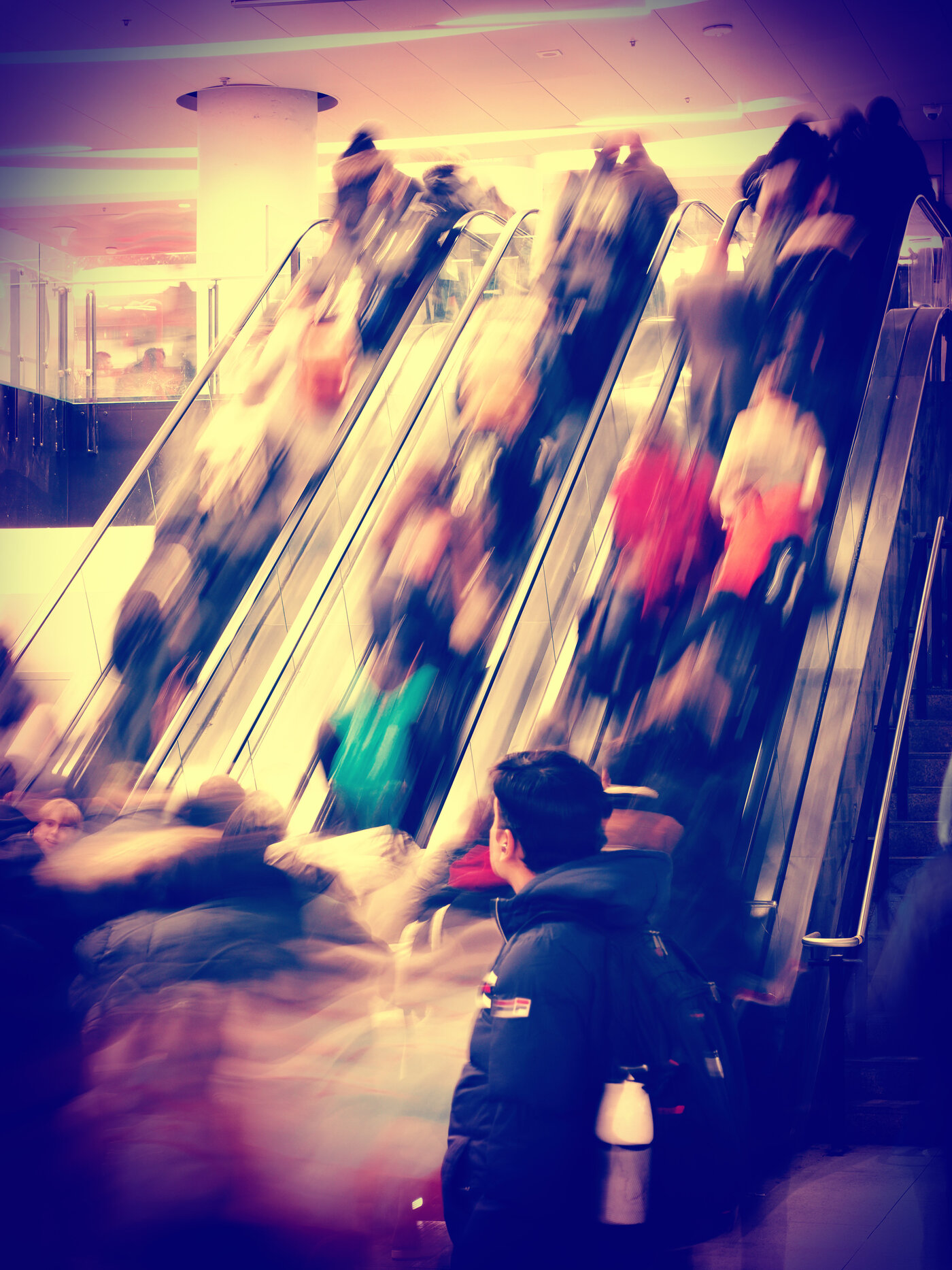
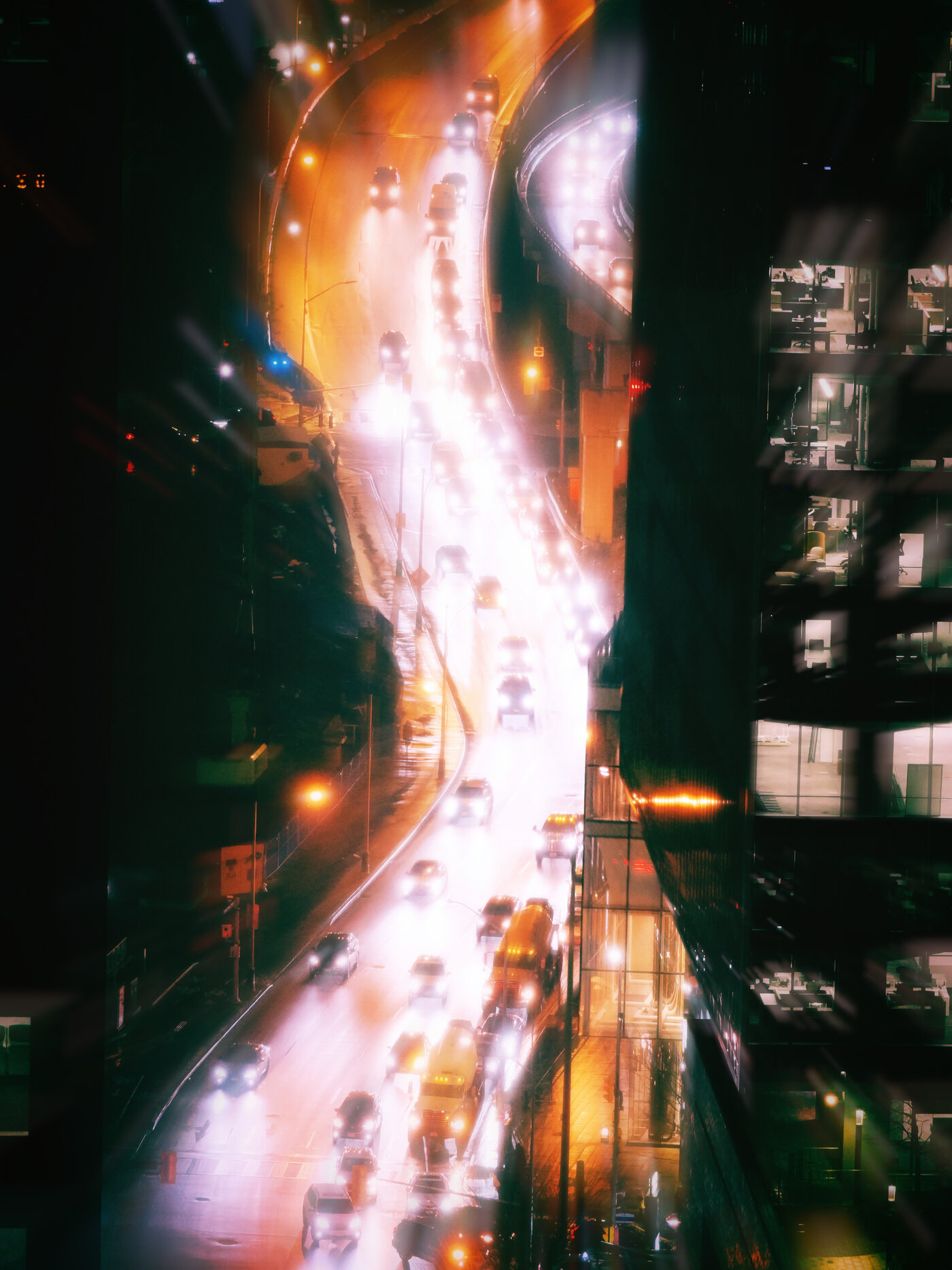
They look for the thread first. Before anything else people want to know what these pictures have to do with each other, what the connecting idea is, even after I have told them there is none. Then, however firmly the images are meant as a group, each person quietly picks a favorite. The one they pick is never the one I would have bet on, it is different for the next person, and after years of this I still cannot predict it. If there is a frame in the set that does not give itself up on the first look, they stay with it longer than with any of the easy ones. And weeks later, when I ask, the two they remember are their favorite and the difficult one. Everything else, however good, has quietly gone.
I used to find that mildly deflating. You make a considered set, you have your own idea of which frame carries it, and the room reorganizes it into a shape you did not choose and cannot control. A few days ago I put a colder version of the same observation into writing and it genuinely unsettled me: if the meaning of a photograph is assembled on the far side, by whoever is looking, then the maker is only the occasion for it, and it stops mattering how the picture came to exist. I could not argue my way out of that, so here we are.
The question is what that leaves for me to do, and whether it is as small a thing as it first felt.
No playlist without a favorite song
Start with the part we cannot switch off. No playlist without a favorite song, no series without a favorite season, no album without a fight about the best track. Show us any group of anything and we rank it, usually without noticing. Put two photographs side by side and part of you has picked a winner before you have finished looking at either. The winner costs you the pair. You never really see the two together, because you were too busy deciding between them.
We rank because a verdict feels like knowing. Best of the year, strongest in the set, the one that would do well online - a scoreboard is a comfortable place to stand. But there is no best picture in that group. There never was. The one each person picks says as much about them as about the photograph. The favorite is real, it is theirs, and no two people land on the same one. Ranking is mostly what we reach for instead of sitting still long enough to let that happen.
Only the occasion
So what is left for me to do? Build the occasion. That is the whole of it, and it stopped sounding like a demotion the moment I looked straight at it. It might be the only job there ever was.
You cannot pour meaning into a photograph the way you pour milk into coffee. You can only put enough real stuff in it - enough specific seeing, enough of an actual afternoon, enough decisions taken on purpose - that a stranger has something true to build with. A picture made to get a reaction hands them a foregone conclusion and nothing to do. The pretty frame that hits all the defaults, the one that reads as good at a thumb's flick, is thin on purpose. Nobody was trying to say anything with it, only to score.
This is the cleanest reason the generated image often bothers me and the water bottle does not. A photograph I hand you is me reaching toward you, and whatever you make of it lands back on someone who was actually there. A generated one is all occasion and nobody home. You will still pick a favorite - but there is no one on the far end of it, nothing that ever wanted you, specifically, to see anything.
Tell me what it did to you
Once you take that seriously, some of your habits change on their own. Three of mine did.
Feedback is where I watch people get it most wrong. My rule is dull and I will say it anyway: if nobody asked for critique, keep it. And when someone does want a response, the useful thing is almost never to tell them how you would have shot it. Tell me what the picture did to you. What you looked at, what stopped you, what irritated you if anything did. Being told where I should have stood has never taught me a thing. What the picture did to you, though, I cannot get any other way, and it is the only part worth having. "How I would have done it" is just dragging the meaning back to the making, where it isn't.
The words I set beside my photographs changed for the same reason. A title, the location, the technical data - it always felt redundant at best and like a spoiler at worst, an instruction to go and see the thing I had already seen. So now I use a short sentence, sometimes a line closer to a diary entry, and I lay a hint in it about the feeling or the memory the frame is tied to - something you can hold your own reaction against instead of just taking on mine. Image and a few words together, when it lands, is a sort of portrait built in someone else's head.
And I have made a quiet practice of the near-misses. Ask a photographer for their best shot of the year and they seize up. Ask instead for the worst one they could not bring themselves to delete, and why it survived the cull, and you get something far more alive. We learn more from the frames that almost worked than from the ones that did, because the almost is where you can still see the intention rubbing against the result. It is you being the first reader of your own picture, before anyone else arrives to be theirs.
The same instruction from both ends
Now the loop closes, and I have to eat something I said at the start.
I opened all of this by insisting that photography is a practice you do for yourself, in a world that keeps telling you it is for an audience, a platform, or a purchase. And I am ending it by handing the whole meaning to the audience. For a while those two looked like a contradiction I had walked into with my eyes open.
They are one instruction seen from opposite ends. You can only build an occasion worth receiving if you built it for yourself - out of your own seeing, your own conditioning broken on purpose, the format you actually chose, whatever the particular camera turned you into that afternoon. The moment you make it for them, to be liked or ranked or sold, the meaning is already spent and there is nothing left for them to do. The most generous move you have is to refuse to make the picture for the viewer, and then hand it over anyway.
Which is what a zine is, when you get down to it, and a print pressed into somebody's hands. The exposure was a millisecond and it was mine and it was over almost before it happened. Everything after it - the edit, the sequence, the paper, the sentence beside the frame - is me building the best occasion I can and then stepping out of the way. The last time I showed a set, a friend spent the longest in front of the one frame I had very nearly cut, and told me it reminded them of something I could not have known and would never have guessed. I did not make that. I built the place it could happen, and handed it over. The rest was always theirs.
That is the series - five pieces, collected under Photo Thoughts. The tag #fotogedanken is where the thinking carries on, mine and other people's.
Comments
Replies come from Mastodon. Reply on Mastodon to join in.